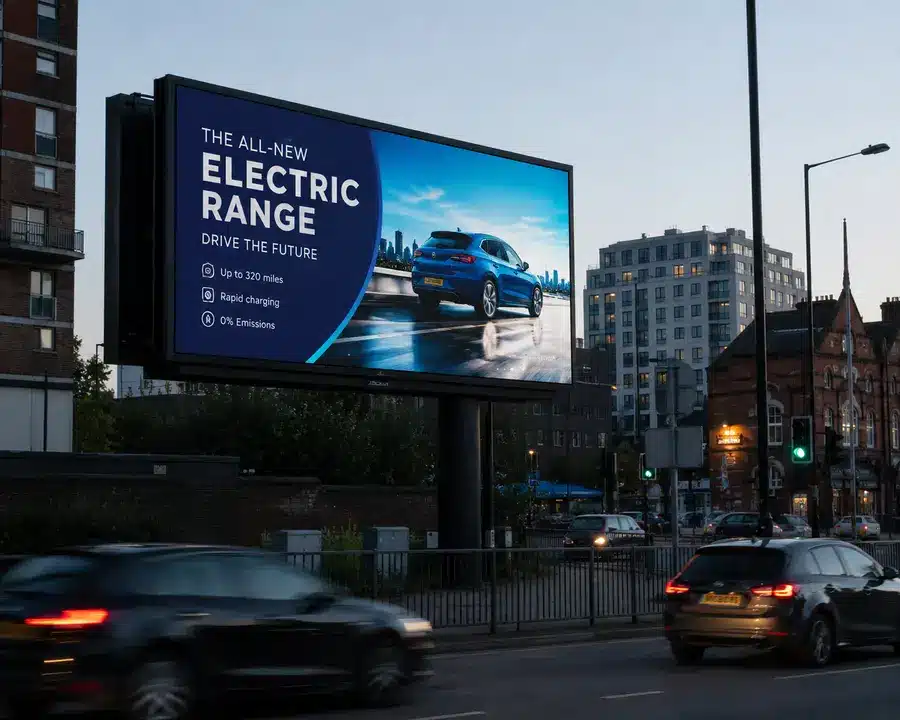
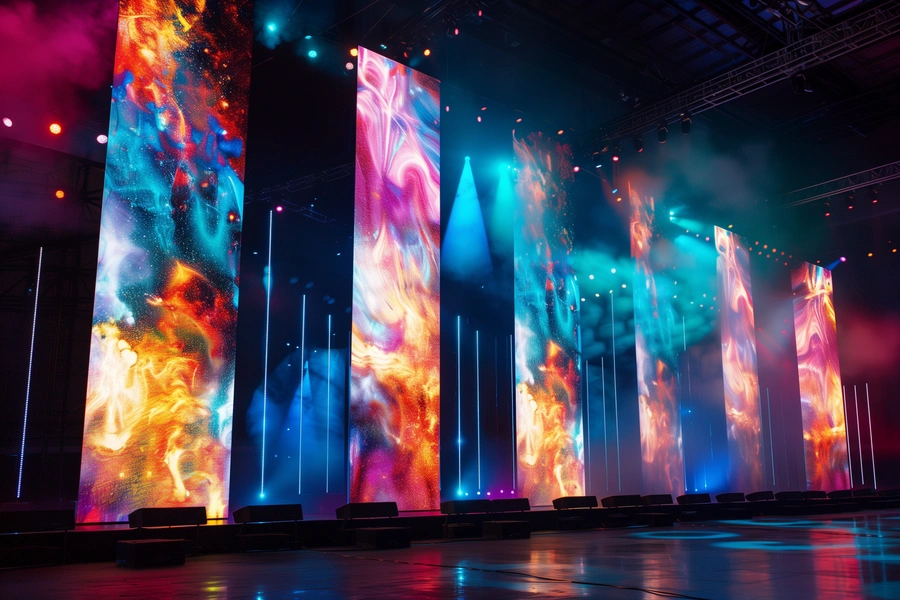
An outdoor LED advertising screen can look straightforward on a drawing. Choose a location, decide on the size and install a bright display that can be seen from a distance. The reality is usually more involved. A screen may need to remain readable in direct daylight, cope with changing weather, display content clearly to moving traffic and run for long…
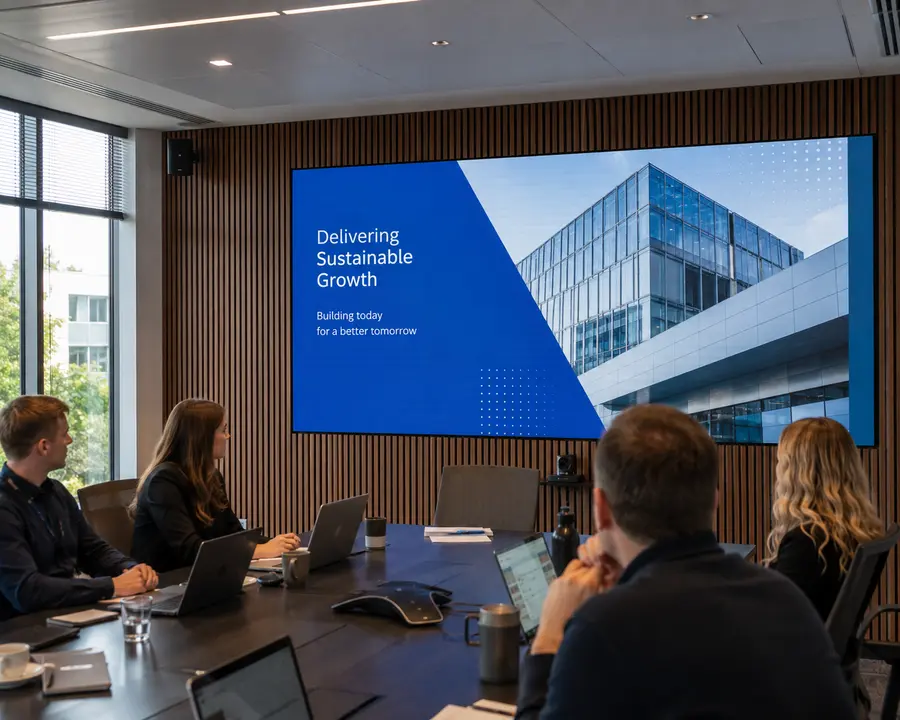
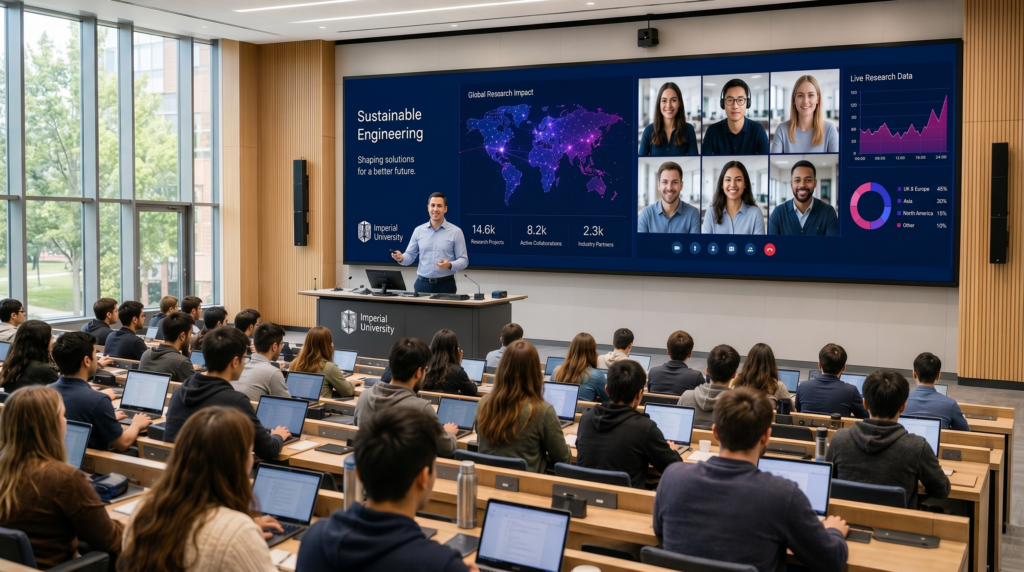
A corporate LED video wall needs to do more than fill a large area with an impressive image. In a boardroom, conference room or auditorium, the display may need to show presentation slides, live video, detailed dashboards, remote meeting participants and branded content throughout the same day. Text must remain clear from the front row, camera images need to look…
For AV integrators, specifying an LED video wall is not just about choosing a display. It is about making sure the system fits the client’s space, performs as expected, can be installed cleanly, and remains supportable after handover. That is where specification confidence matters. The right LED system should provide integrators with a clear path from initial brief to final…
Buying LED stock is easy to justify when the enquiries are coming in. The harder question is whether that stock will still make commercial sense six months later, once it has been in and out of the warehouse, used on different jobs, maintained between hires and compared against the rest of your rental inventory. For rental companies, the best LED…
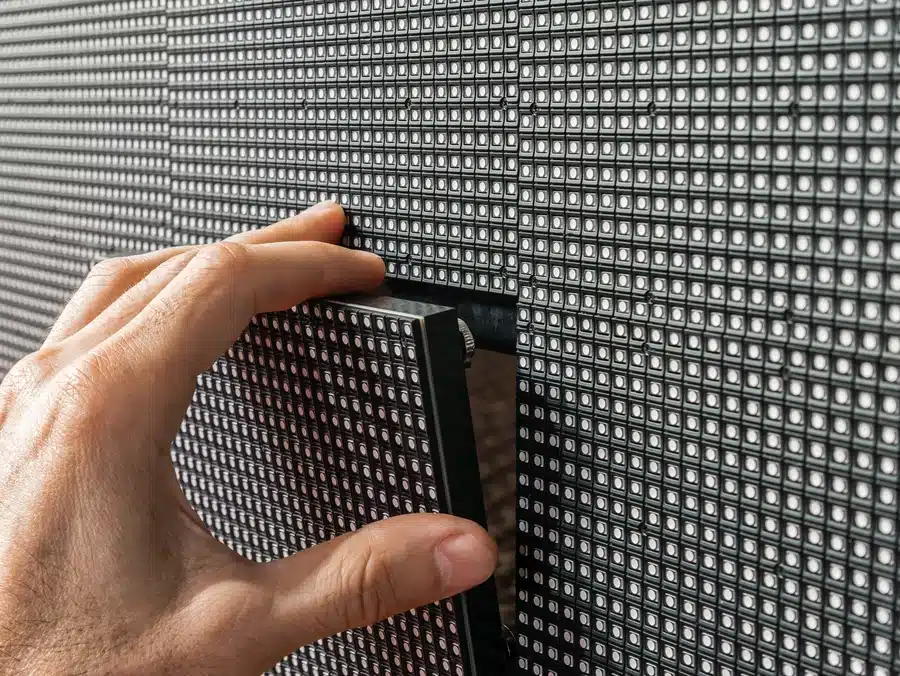
Service access is one of the most overlooked parts of an LED video wall specification. It rarely gets the attention that pixel pitch or brightness does, yet it can be the difference between a wall that’s easy to live with and one that becomes awkward the first time it needs attention. Front service and rear service are simply two different…
What Universities Can Achieve with LED :A Practical Guide for AV Teams LED adoption in higher education has accelerated significantly. LED pricing has shifted, product ranges have matured, and the technology now makes practical sense across a university campus — not just as a projector replacement, but as a broader infrastructure investment.This article is aimed at AV managers and technical…